

When maintaining a screw air compressor, two of the most frequently replaced consumable parts are the air filter and the oil filter. Although both are designed to remove contaminants, they serve different purposes and protect different parts of the compressor.
Understanding the difference between these two filters helps improve compressor performance, reduce maintenance costs, and extend the service life of critical components.
What Is an Air Filter?
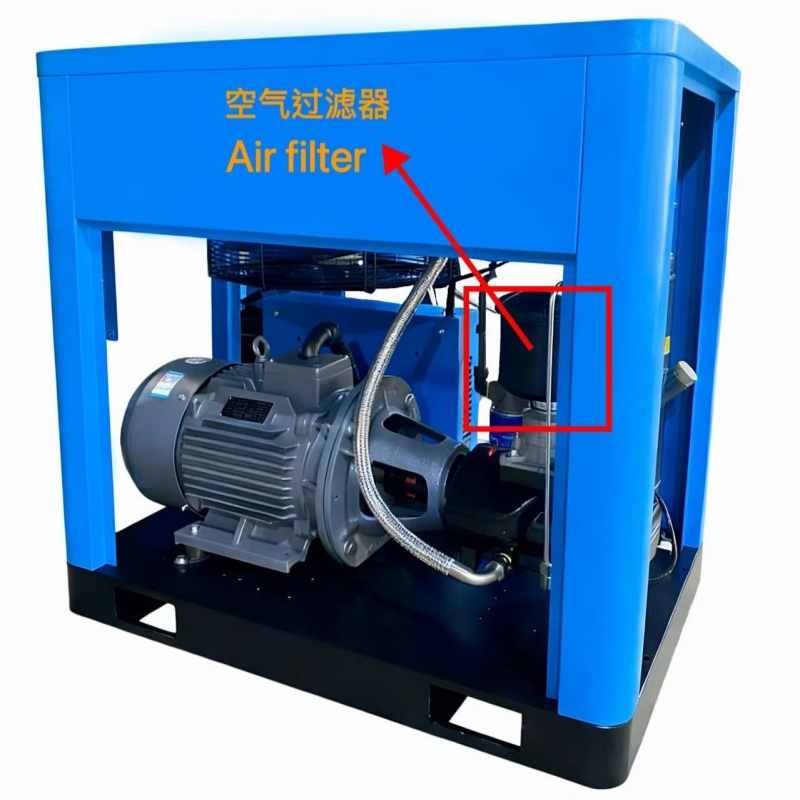
An air filter is installed at the compressor air inlet. Its primary function is to prevent dust, dirt, moisture, and other airborne contaminants from entering the compression chamber.
By supplying clean intake air, the air filter protects the air end, rotors, bearings, and other internal components from premature wear.
Key Functions of an Air Filter
- Removes dust and airborne particles
- Protects the air end and rotor assembly
- Improves compression efficiency
- Reduces maintenance costs
- Extends compressor lifespan
Without a properly functioning air filter, contaminants can enter the compressor, leading to increased wear, reduced efficiency, and costly repairs.
What Is an Oil Filter?
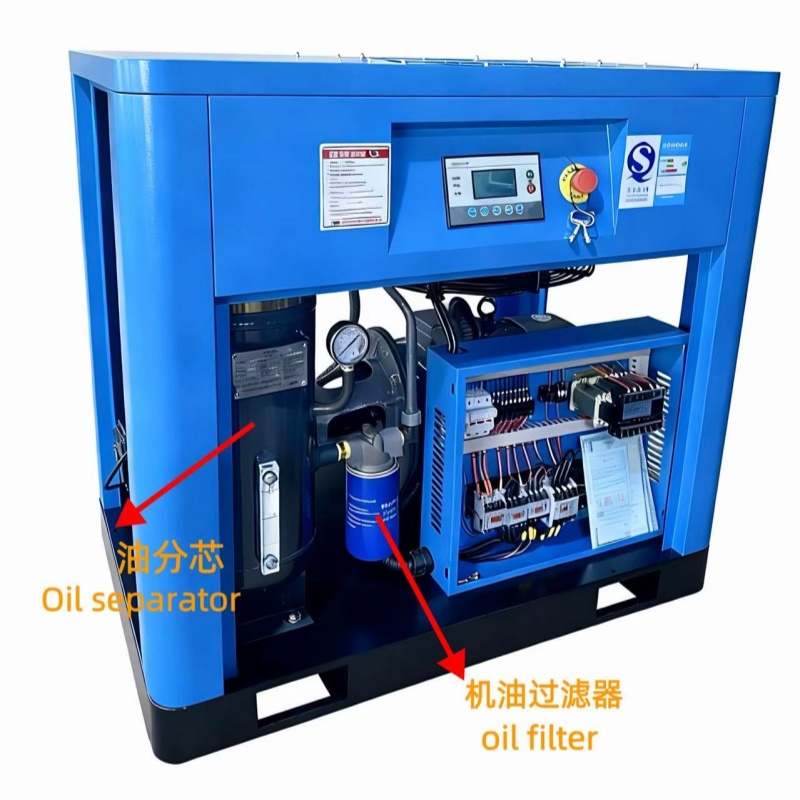
The oil filter is part of the lubrication system. It removes metal particles, carbon deposits, and other impurities from the compressor oil before the oil circulates through the air end and bearings.
Clean lubricating oil is essential for cooling, sealing, and reducing friction inside the compressor.
Key Functions of an Oil Filter
- Removes contaminants from lubricating oil
- Protects bearings and air end components
- Maintains oil quality
- Improves lubrication performance
- Extends equipment service life
A clogged or poor-quality oil filter may reduce oil flow and increase operating temperature, which can accelerate component wear.
Air Filter vs Oil Filter – What's the Difference?
| Feature | Air Filter | Oil Filter |
| Purpose | Cleans intake air | Cleans compressor oil |
| Installation Location | Air inlet | Lubrication system |
| Removes | Dust, dirt, moisture, airborne particles | Metal particles, sludge, carbon deposits |
| Protects | Air end, rotors, bearings | Bearings, airend, lubrication system |
| Main Benefit | Clean compressed air and efficient airflow | Reliable lubrication and cooling |
Although both filters improve compressor reliability, they work in different systems and cannot replace one another.
What Happens If an Air Filter Is Clogged?
A dirty air filter restricts airflow and forces the compressor to work harder.
Common symptoms include:
- Reduced air intake
- Lower air output
- Increased energy consumption
- Higher operating temperature
- Premature wear of internal components
A clogged oil filter restricts oil circulation and reduces lubrication efficiency.
Possible consequences include:
- Higher oil temperature
- Bearing wear
- Reduced cooling performance
- Air end damage
- Unexpected shutdowns
Replacing the oil filter at the recommended interval helps avoid these issues.
When Should You Replace Air and Oil Filters?
Replacement intervals may vary depending on operating conditions, but the following guidelines are commonly recommended.
Air Filter:Every 500–1,000 operating hours, or sooner in dusty environments
Oil Filter:Every 2,000 operating hours, usually together with the oil change
Always follow the manufacturer's maintenance recommendations and adjust the schedule if the compressor operates in harsh conditions.
How to Extend Filter Service Life
To maximize filter performance:
- Keep the compressor room clean and well ventilated.
- Inspect filters during routine maintenance.
- Use high-quality compressor lubricants.
- Avoid operating in excessively dusty environments without additional filtration.
- Replace filters with OEM or equivalent-quality parts.
Preventive maintenance is always more cost-effective than repairing damaged compressor components.
Why High-Quality Filters Matter
Not all filters offer the same level of performance.
Premium filters typically provide:
- Better filtration efficiency
- Lower pressure drop
- Longer service life
- Improved compressor reliability
- Reduced operating costs
Choosing high-quality replacement filters can significantly improve the overall performance of your compressed air system.
Final Thoughts
Both the air filter and the oil filter play essential roles in maintaining the performance and reliability of a screw air compressor. While the air filter protects the compressor from airborne contaminants, the oil filter keeps the lubrication system clean and efficient.
Regular inspection and timely replacement of both filters help reduce downtime, improve energy efficiency, and extend the life of your compressor.
Need High-Quality Compressor Filters?
OSMAN supplies a wide range of replacement parts for industrial screw air compressors, including:
- Air Filter
- Oil Filter
- Oil Separator
- Screw Compressor Oil
- Maintenance Kits
Whether you need OEM replacement parts or customized solutions, our team is ready to help you select the right components for your compressor system.