

Cable production depends on compressed air at nearly every step — extrusion, jacketing, pneumatic conveying, inspection, and packaging. If the air supply is unstable, dirty, or undersized, the effect shows up quickly in scrap rates, downtime, and product defects. Here is what a cable plant should look for in its compressed air system.
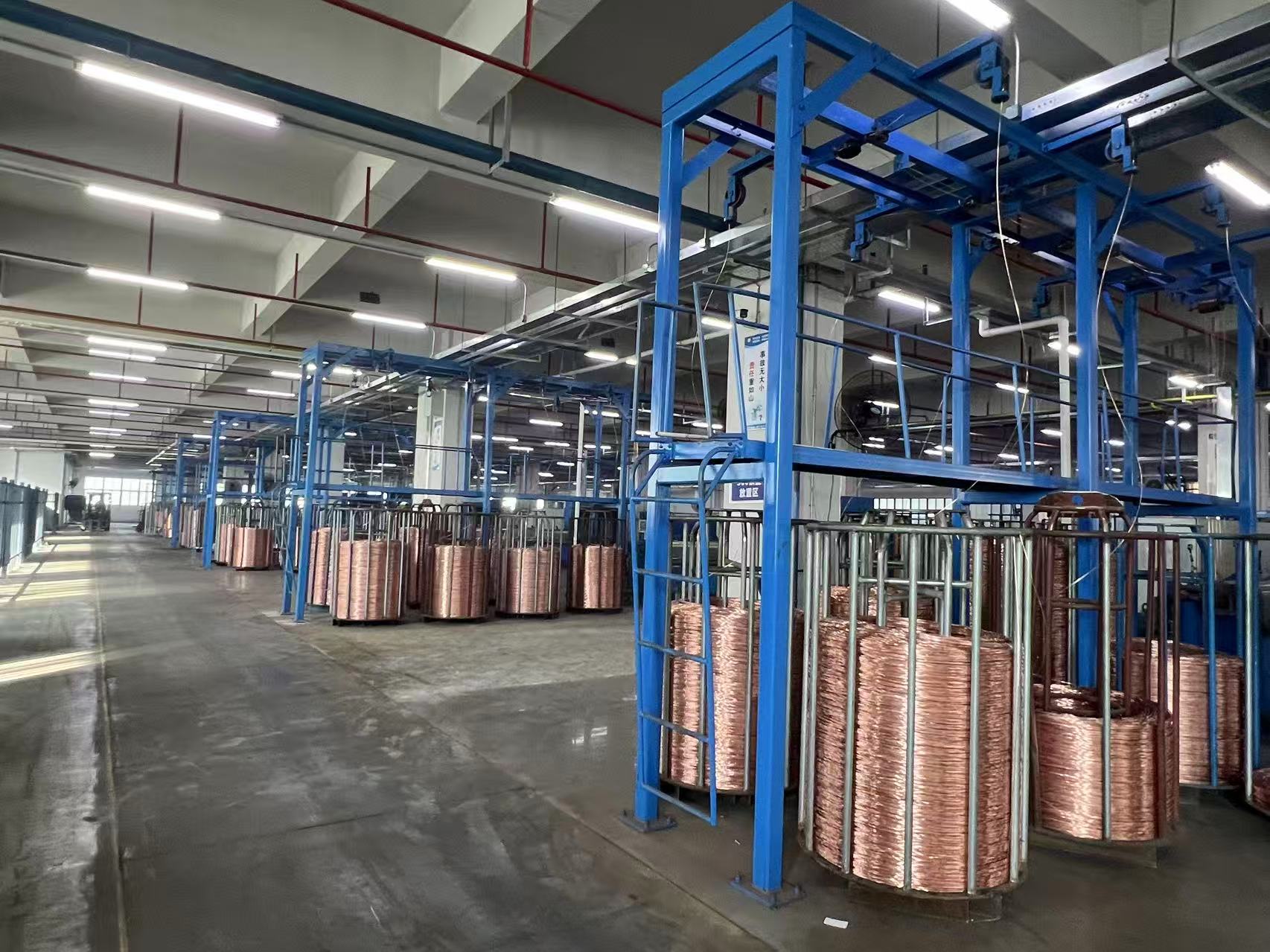
What cable manufacturing demands from compressed air
Stable pressure. Extrusion and coating lines are sensitive to pressure swings. A fluctuating supply can cause inconsistent wall thickness or surface defects on the cable.
Enough flow for peak demand. Several machines often draw air at the same time. The compressor needs to cover the peak, not just the average.
Clean, dry air. Moisture or oil in the air can contaminate the cable surface and hurt yield. A proper dryer and filtration setup is essential.
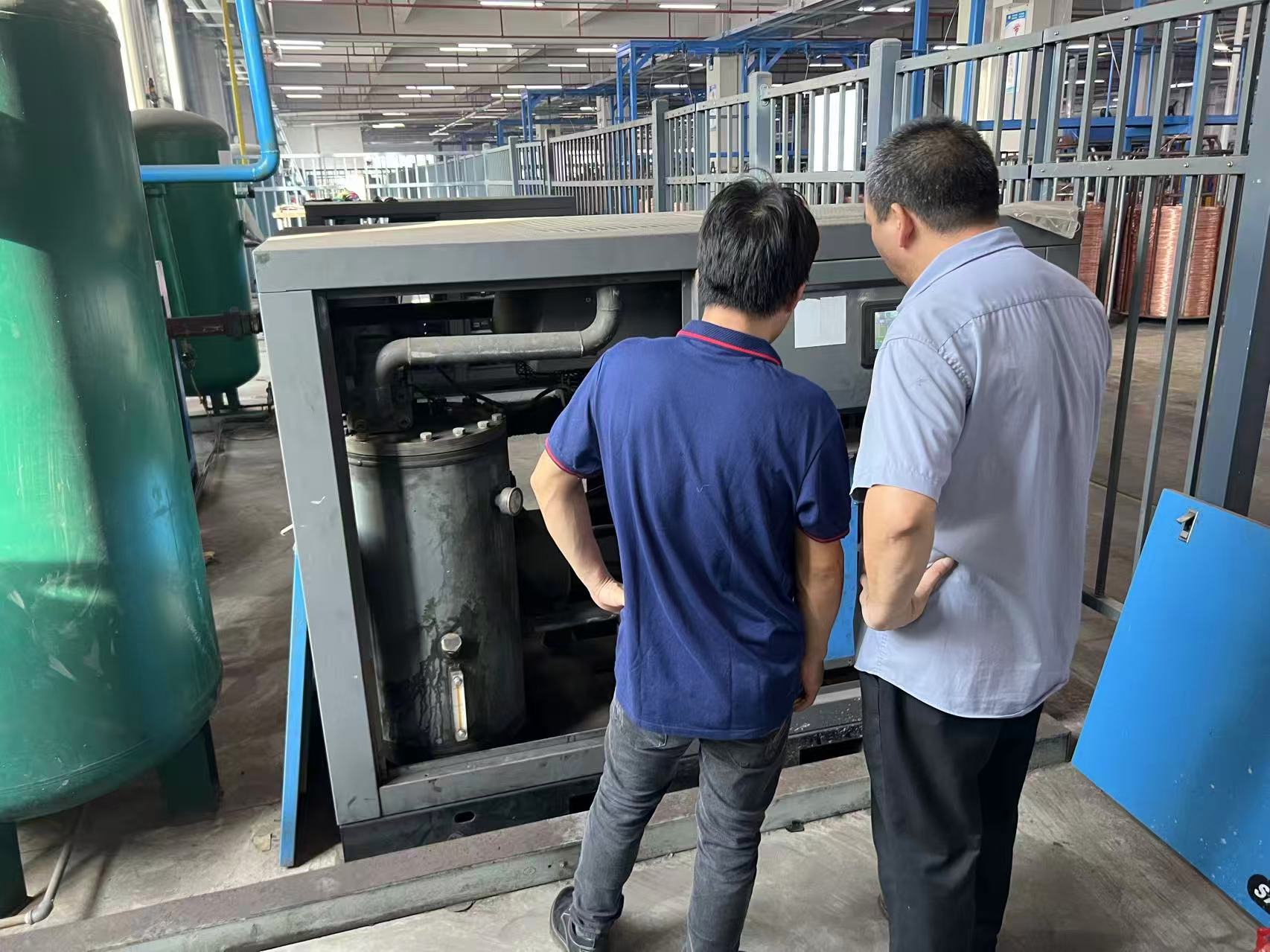
How to configure the system
For a plant whose air demand varies through the shift, a variable-speed drive compressor with a permanent-magnet motor is a natural fit — it matches output to demand and avoids the energy waste of a fixed-speed machine that loads and unloads all day. For larger or continuous-duty lines, a two-stage machine can deliver the pressure and efficiency the process needs.
Cooling also matters in cable workshops, which can run warm. A well-designed cooling system keeps discharge temperature stable and protects the machine over years of operation.
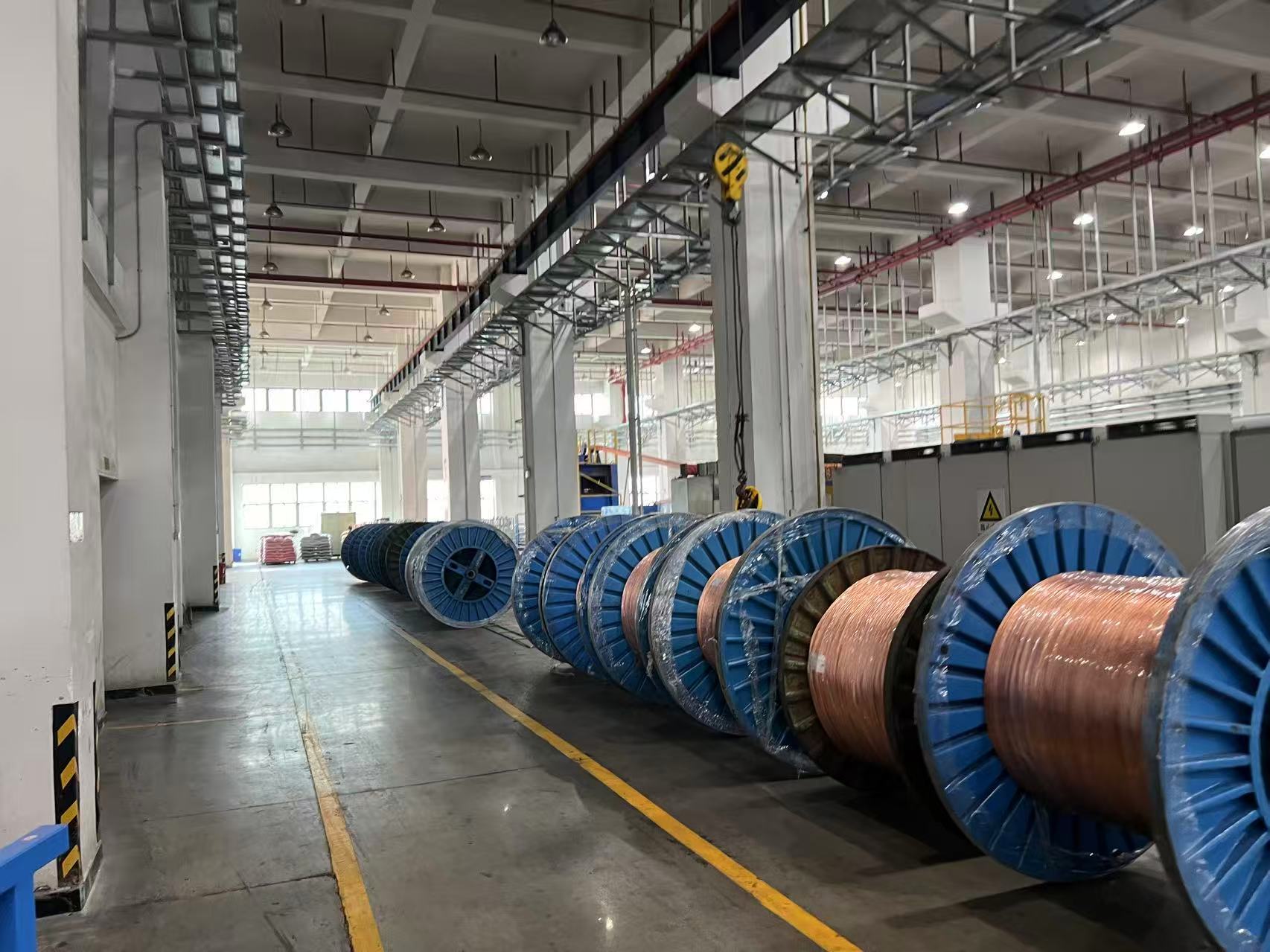
What changes when you get the air right
Plants that fix their air supply typically report two things: fewer product defects caused by unstable pressure, and a lower electricity bill once the compressor stops running flat-out all day. The savings depend on load and operating hours, but for a compressor running two or three shifts, the reduction in energy use is usually the largest single saving.
If you are planning a new cable line or upgrading an existing air system, we can help you size the compressor, dryer, and filtration to match your actual demand.