6 Common Faults Causing Oil in Compressor Exhaust Air:
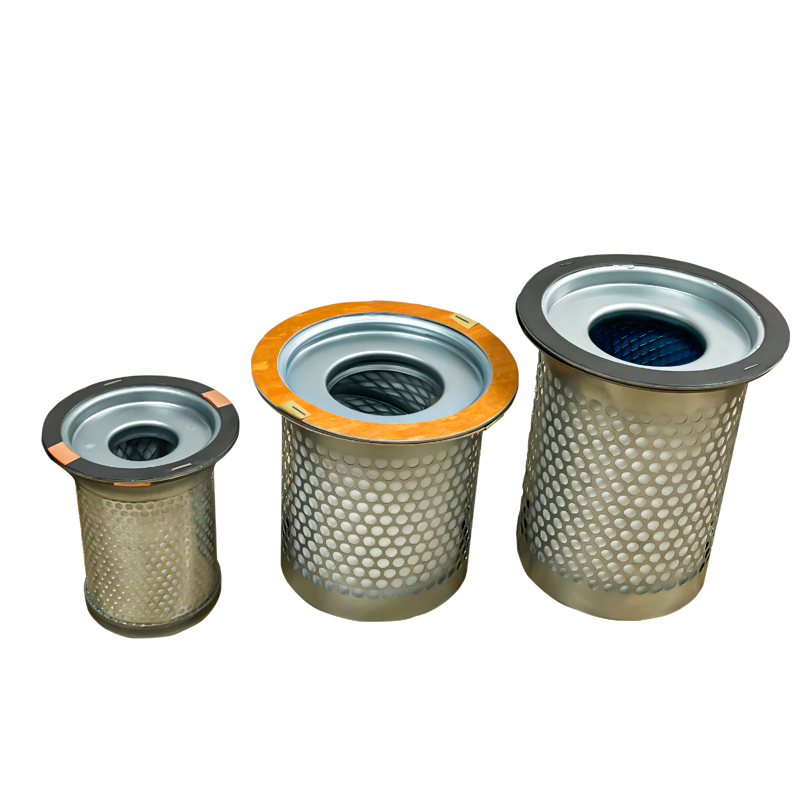
1. Oil Separator Element Failure
·Cause: The oil separator element is clogged, damaged, or has reached the end of its service life, failing to effectively separate the oil-air mixture.
·Performance: A sudden increase in oil content in the exhaust air, rising equipment energy consumption, and rapid saturation of the post-stage filters.
·Solution: Replace the oil separator element regularly to avoid over-operation; use original high- quality filter elements.
2. Excess Lubricating Oil Level
·Cause: Overfilling with lubricating oil or poor oil return after shutdown, causing the oil level to exceed the safety line.
·Performance: A large amount of oil mist in the air-oil tank is carried into the exhaust system, resulting in excessive oil content.
·Solution: Check the oil level after shutdown and cooling, and adjust the liquid level to the middle of the oil sight glass.
3. Return Oil Line Blockage
·Cause: Failure of the return oil check valve, carbon deposition in the pipeline, or blockage by impurities, preventing accumulated oil at the bottom of the oil separator element from flowing back.
·Performance: Liquid accumulates at the bottom of the oil separator element and is entrained into the exhaust side by the airflow.
·Solution: Disassemble and clean the return oil pipeline, replace the failed check valve, and ensure smooth oil return.
4. Intake Valve Seal Leakage
·Cause: Aging or wear of the intake valve seal, leading to backflow of lubricating oil to the intake side during shutdown.
·Performance: A large amount of oil mist enters the compression chamber with the intake air at startup, causing short-term high oil content.
·Solution: Replace the intake valve seal assembly and regularly check the flexibility of the valve plate movement.

5. Minimum Pressure Valve Malfunction
·Cause: Fatigue of the minimum pressure valve spring or leakage of the valve plate, resulting in slow establishment of system pressure.
·Performance: A sharp drop in oil-air separation efficiency under low pressure, with a large amount of oil mist discharged with the exhaust air.
·Solution: Test the opening pressure of the minimum pressure valve and replace the damaged spring or valve plate.
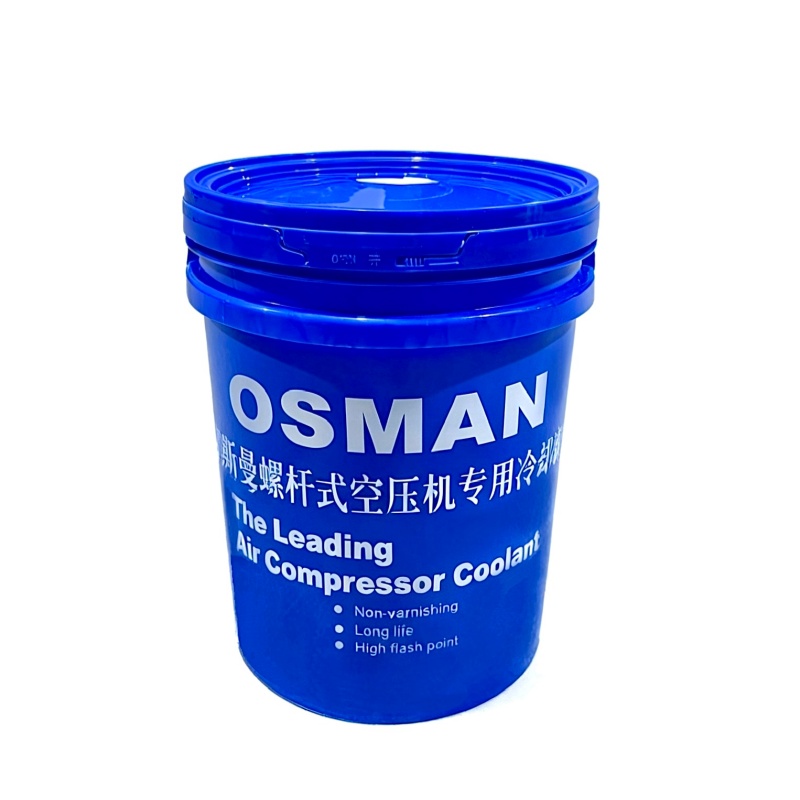
6. Incorrect Lubricant Selection
·Cause: Use of low-quality lubricating oil or mismatched models, making the oil prone to foaming and emulsification.
·Performance: Poor stability of the oil-air mixture, difficulty in separation, and continuously high oil content in the exhaust air.
·Solution: Replace with the original designated lubricating oil model and avoid mixing different brands of lubricating oil.