

I. Pre-Startup Inspection
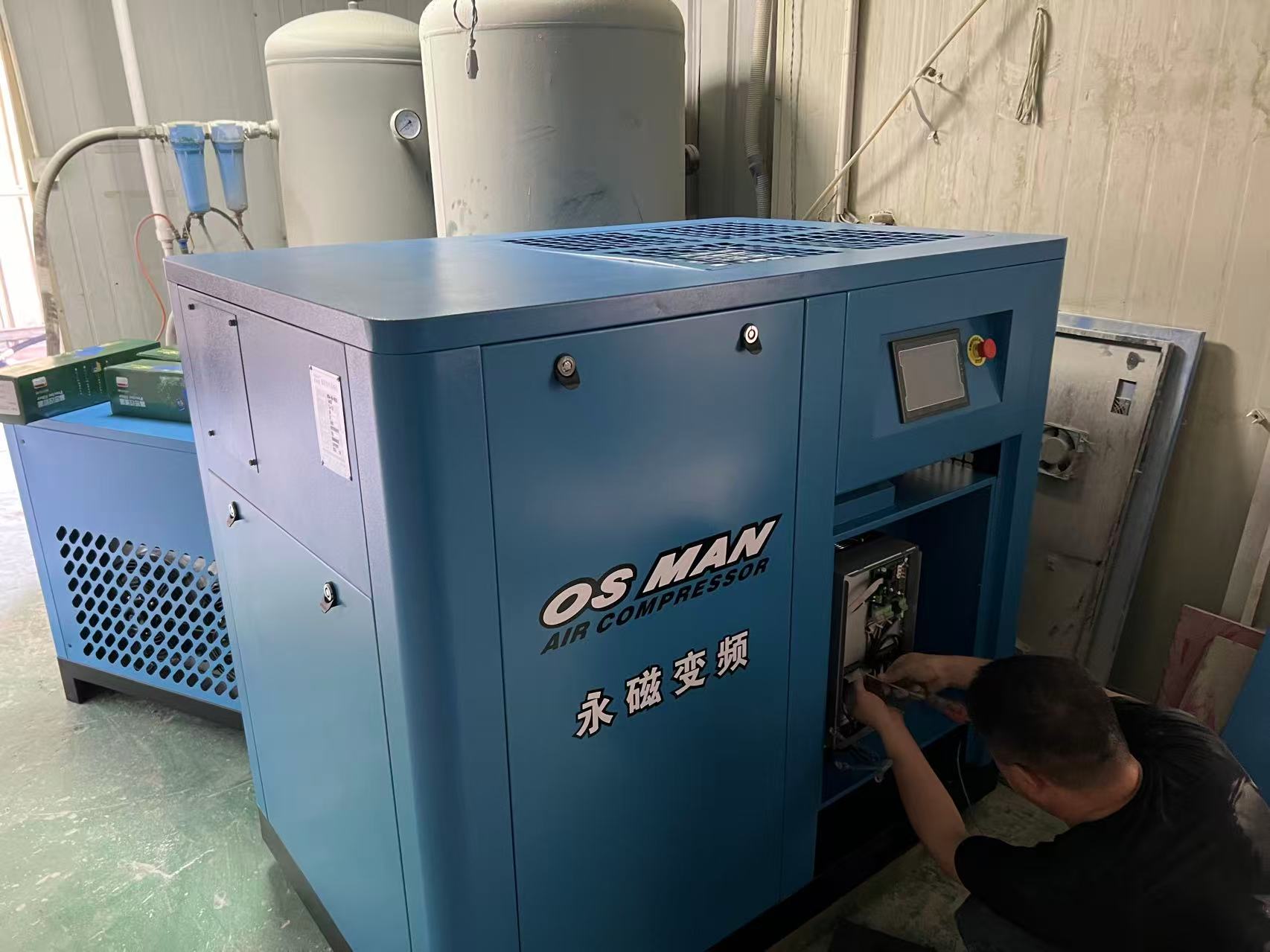
1. Check if the lubricating oil level is between 1/2 to 2/3 of the oil sight glass, and ensure the oil is clear, free of emulsification and impurities.
2. Inspect the air compressor, air receiver, and pipelines for air leakage, oil leakage, or water leakage.
3. Confirm that the power supply voltage is normal, there is no phase loss in the three-phase power, and the grounding wire is firm and reliable.
4. Open the exhaust valve to ensure the equipment starts without load; avoid starting with pressure.
5. Clear debris around the equipment to ensure good ventilation and heat dissipation.
II. Notes During Operation
1. Pay close attention to the discharge pressure, discharge temperature, and current during operation; overpressure and overtemperature operation are strictly prohibited.
2. Normal range of discharge temperature: 75℃~95℃. Stop the machine immediately for inspection if the temperature exceeds 100℃.
3. Stop the machine immediately to troubleshoot if the equipment produces abnormal noise, violent vibration, peculiar smell, or smoke.
4. Do not arbitrarily modify the controller parameters, especially the pressure upper limit and protection threshold.
5. Keep the air filter intake unobstructed; avoid using the equipment in environments with heavy dust, humidity, or corrosive gases.
6. Do not open high-pressure and high-temperature components such as the chassis, oil-gas tank, and filter during operation.
III. Daily Maintenance Points
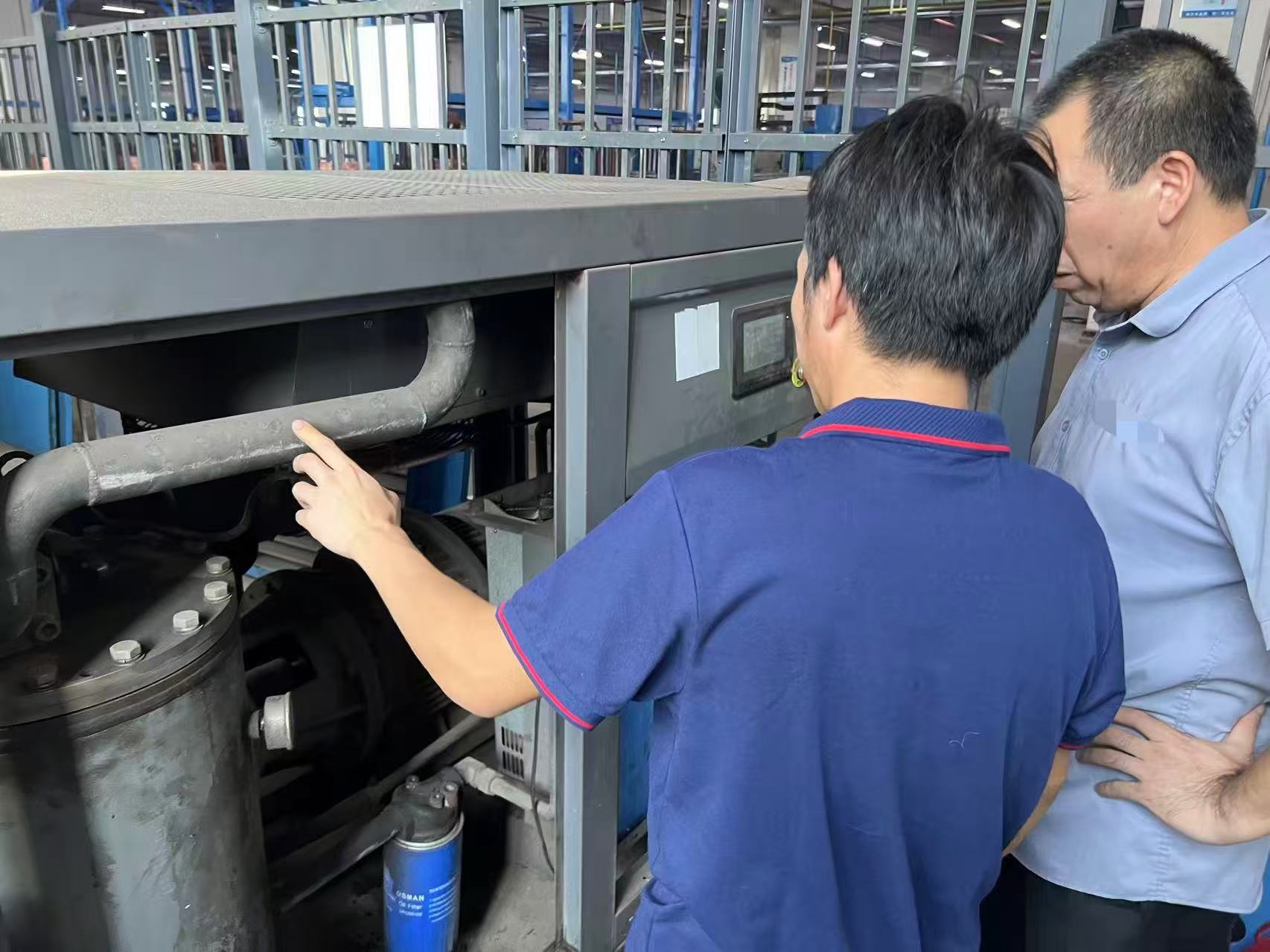
1. Drain the condensed water from the air receiver, filter, and oil-gas tank daily to prevent water from entering the equipment.
2. Replace the air filter, oil filter, oil separator element, and special lubricating oil regularly; mixing different brands of engine oil is strictly prohibited.
3. Keep the cooler clean, clean dust regularly, and avoid high-temperature alarms.
4. Before reusing the equipment after a long shutdown, check the oil level, circuit, and pipelines, and conduct an no-load test run.
5. When the ambient temperature is too high or too low, appropriately strengthen ventilation or heat preservation to avoid affecting air volume.
IV. Safe Operation Specifications
1. Non-professionals are prohibited from operating, disassembling, or maintaining the equipment.
2. Before maintenance, cut off the power supply, release pressure, and hang a warning sign; only perform operations after confirming there is no pressure.
3. Air compressors and air receivers are pressure vessels; collision, tapping, and unauthorized modification are strictly prohibited.
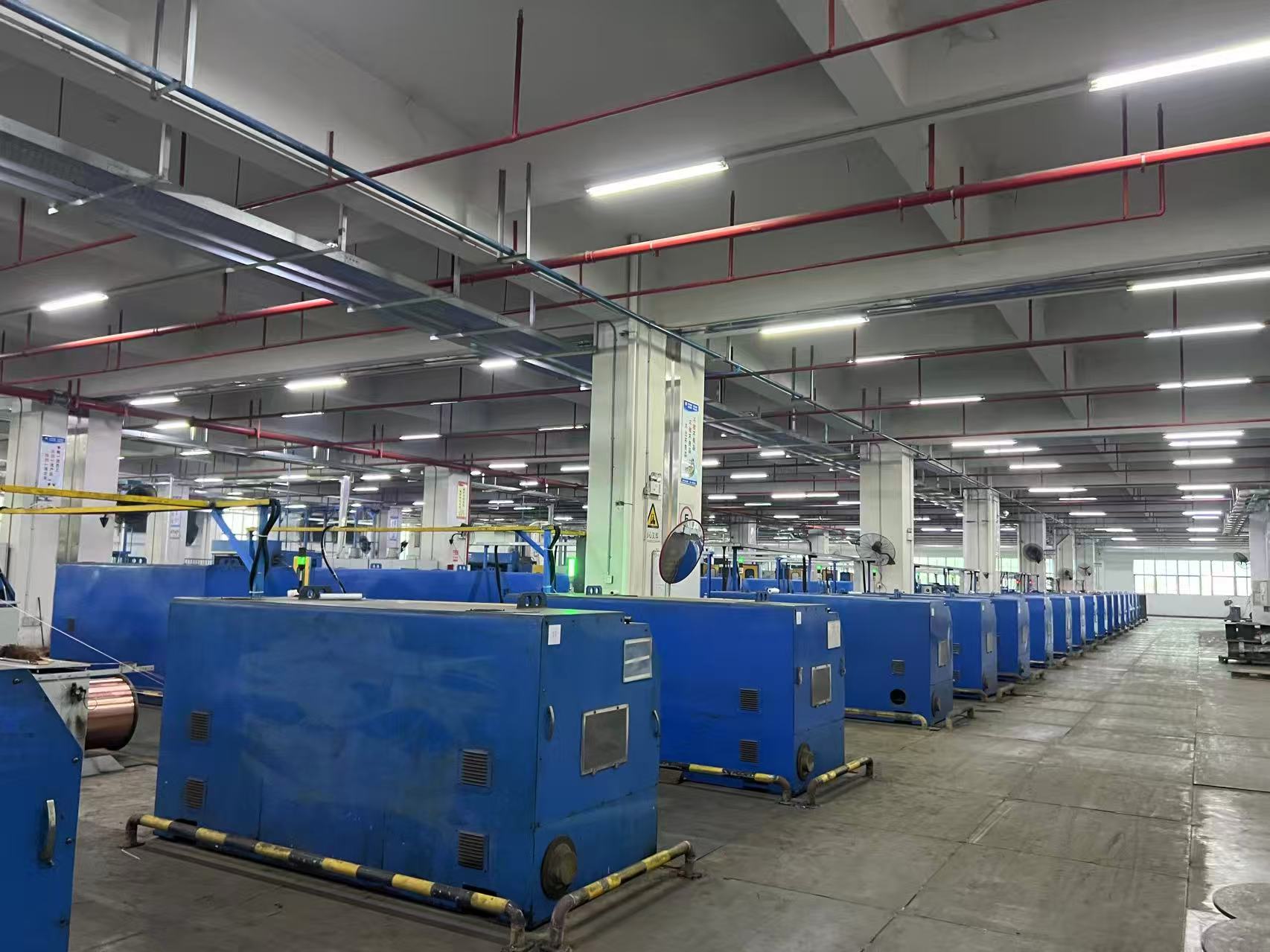
4. Do not stack flammable and explosive items in the machine room; fire extinguishers should be equipped.
5. Press the emergency stop button directly in case of an emergency; do not force operation.
V. Energy Conservation and Service Life Extension
1. Avoid frequent startup and shutdown; try to run continuously.
2. Deal with air leakage in a timely manner, as air leakage will greatly increase energy consumption.
3. For permanent magnet variable frequency models, maintain a reasonable pressure range and do not set the pressure too high.
4. Regular maintenance is more cost-effective and stable than repairing after damage.
VI. Fault Handling Principles
1. When an alarm code appears, stop the machine first, record the code, and then contact after-sales service.
2. Do not force reset and run with faults, which may expand the fault.
3. Common faults such as oil in exhaust, insufficient air volume, high temperature, and failure to build pressure need to be handled in a timely manner.