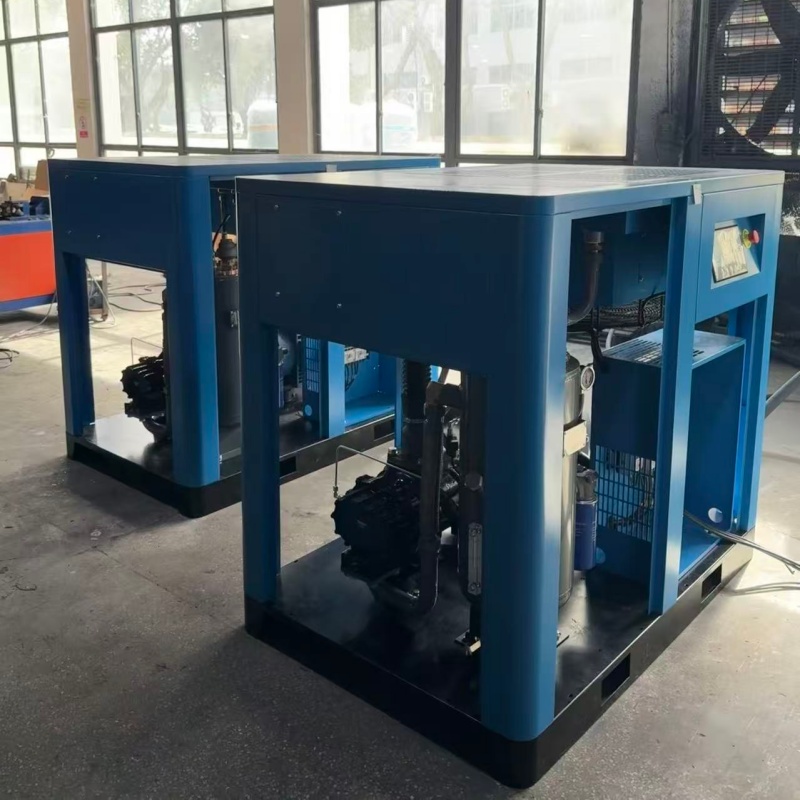
Overheating is one of the most common issues in screw air compressors. If not handled in time, it can lead to unexpected shutdowns, reduced efficiency, and even serious damage to the air end.
From real-world industrial applications, overheating is rarely caused by a single issue—it is usually the result of multiple factors such as poor cooling, oil problems, or environmental conditions.
In this guide, we'll walk you through the most common causes of overheating and how to fix them quickly and effectively.
What Temperature Is Considered Overheating?
In most screw air compressors:
• Normal operating temperature: 65°C – 85°C
• Warning level: above 95°C
• Shutdown protection: 100°C – 110°C (varies by model)
If your compressor frequently runs above 90°C, it's a clear sign that something is wrong.
6 Common Causes of Screw Compressor Overheating:
1. Low or Poor-Quality Lubricating Oil
Lubricating oil plays a critical role in:
• Cooling
• Lubrication
• Sealing
Common problems:
• Low oil level
• Oil degradation (oxidation, contamination)
• Wrong oil type
Solution:
• Check oil level regularly
• Replace oil every 2000 hours or as recommended
• Always use compressor-specific oil
2. Clogged Oil Cooler
The oil cooler is responsible for removing heat from the system.
Typical issues:
• Dust buildup (air-cooled units)
• Scale or fouling (water-cooled units)
Solution:
• Clean air-cooled radiators regularly
• Descale water-cooled heat exchangers
• Ensure proper airflow or water flow
In many factories, this is the #1 cause of overheating.
3. Blocked Air Filter
A clogged air filter restricts airflow, forcing the compressor to work harder and generate more heat.
Symptoms:
• Reduced air intake
• Increased energy consumption
• Rising temperature
Solution:
• Inspect every 500 hours (or sooner in dusty environments)
• Replace if clogged
4. Oil Separator Problems
A blocked oil separator increases internal pressure and heat.
Warning signs:
• High differential pressure
• Reduced efficiency
• Higher discharge temperature
Solution:
• Replace separator regularly (typically every 2000 hours)
• Use high-quality separator elements
5. Poor Ventilation or High Ambient Temperature
Environmental conditions are often underestimated.
Common situations:
• Compressor room too small
• Poor airflow
• High surrounding temperature
Solution:
• Improve ventilation
• Install exhaust fans
• Keep ambient temperature below 40°C if possible
6. Faulty Temperature Sensor or Control System
Sometimes, the problem is not actual overheating but incorrect readings.
Check for:
• Sensor failure
• Wiring issues
• PLC errors
Solution:
• Verify sensor accuracy
• Replace faulty components
Quick Troubleshooting Checklist
If your compressor is overheating, follow this order:
1. Check oil level and oil condition
2. Inspect oil cooler (clean if needed)
3. Check air filter
4. Inspect oil separator
5. Evaluate ventilation conditions
6. Verify sensors and control system
This step-by-step approach can solve most overheating issues quickly.
How to Prevent Overheating
(From our field experience, prevention is much more effective than repair.)
✔ Keep the Cooling System Clean
Regular cleaning of coolers is essential.
✔ Use the Right Oil and Replace It on Time
Delayed oil changes are one of the most common causes of overheating.
✔ Maintain Proper Installation Conditions
Good airflow and ventilation make a big difference.
✔ Monitor Temperature Regularly
Early detection prevents major failures.
FAQ:
Q1: Can I keep running the compressor if it overheats?
A: No. Continuous operation under high temperature can damage the airend and bearings.
Q2: What is the most common cause of overheating?
A: In most cases, it is a clogged oil cooler or poor ventilation.
Q3: How often should I clean the oil cooler?
A: It depends on the environment, but typically every 1–3 months in dusty conditions.
Final Thoughts
Overheating is not just a minor issue—it's an early warning sign of deeper problems. By identifying the root cause early and maintaining key components, you can avoid costly downtime and extend the life of your compressor.
For a complete maintenance guide, check our full article:
Screw Air Compressor Maintenance Guide
Need Help Solving Overheating Issues?
We provide:
1: High-quality compressor spare parts
2: Technical support
3: Customized solutions for different industries
Contact us today to get expert support and keep your compressor running efficiently.